Air India Boeing 787-800 plane crash

Key facts
- Airline
- Air India
- Flight number
- AI171
- Aircraft
- Boeing 787-800
- Location
- Ahmedabad, India
- Date
- 12th June, 2025
- People on board
- 242
- Fatalities on board
- 241
- Ground fatalities
- 38
Updated on
Accident account
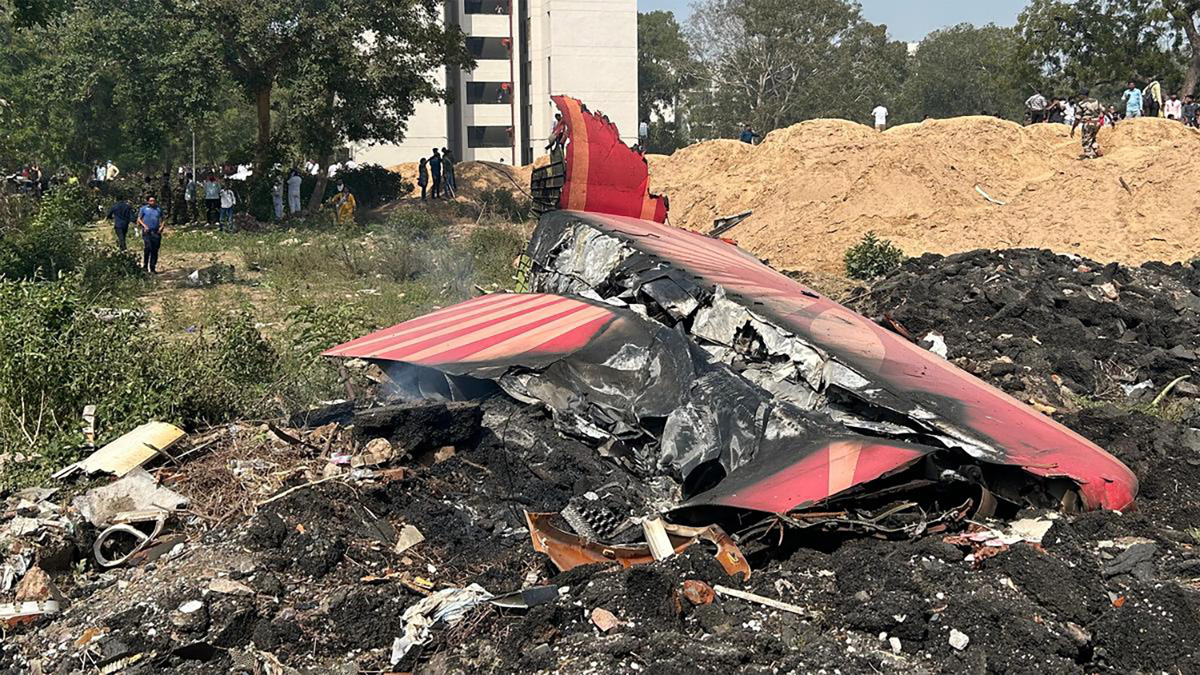
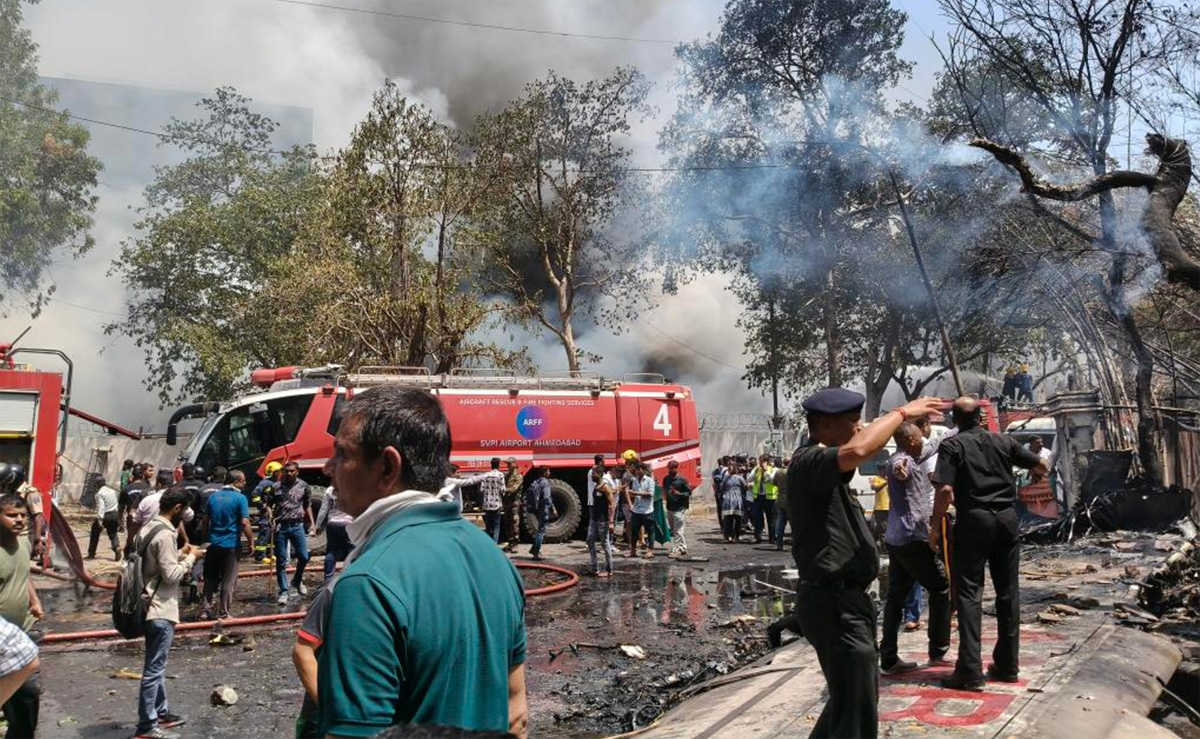
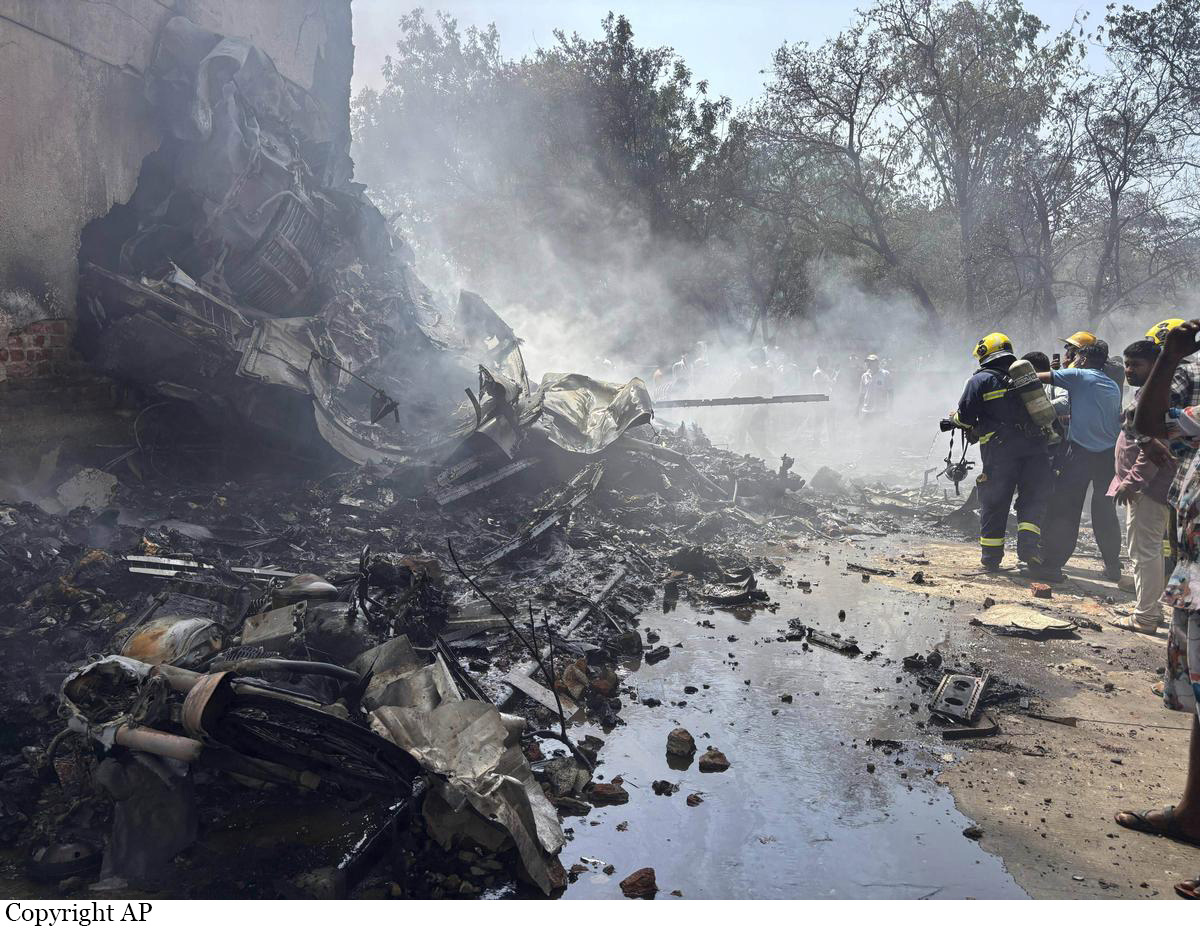
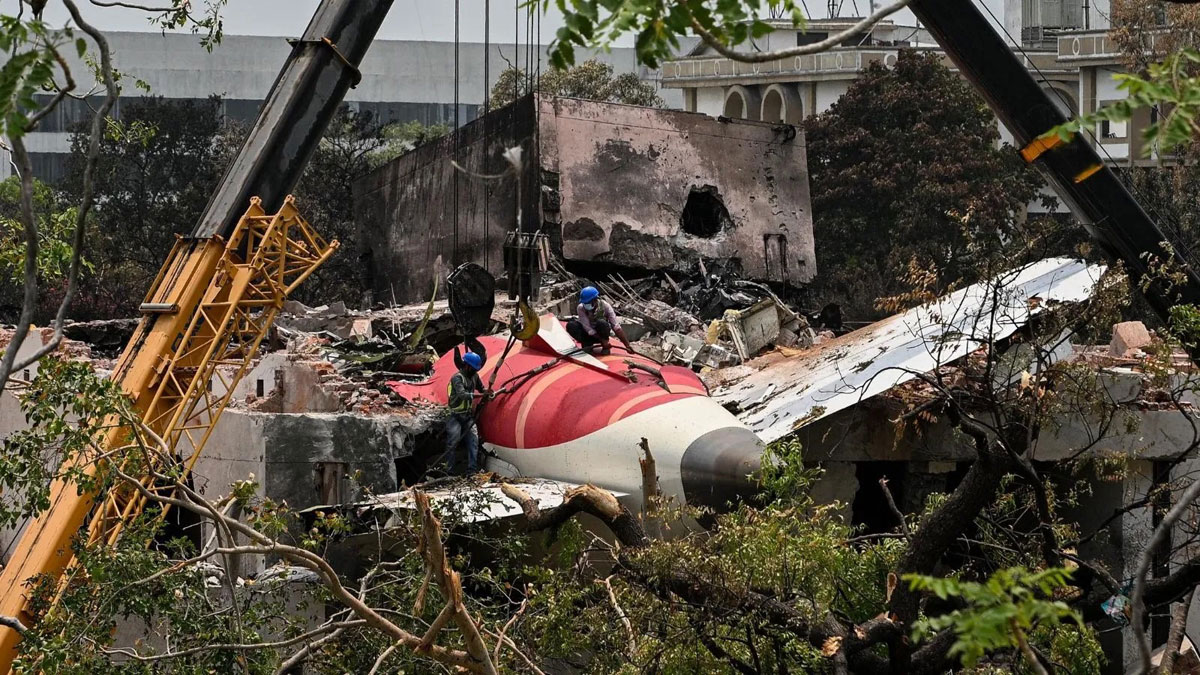
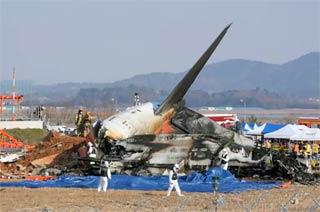
The Boeing 787-8 Dreamliner operated by Air India took off from Ahmedabad, India, for a passenger flight to London, United Kingdom, for a passenger flight. 230 passengers and 12 crewmembers were onboard. The plane took off, but a few seconds later lost altitude and crashed into a residential area. 241 occupants were killed in the accident. there are also 38 fatalities on ground. One passenger survived the crash.
The preliminary report published by India’s Aircraft Accident Investigation Bureau (AAIB) on 12 July 2025 subsequently established a different ground-casualty figure from the initial information reflected in the paragraph above. It identifies the aircraft as Boeing 787-8 VT-ANB, operating scheduled flight AI171 from Ahmedabad to London Gatwick. There were 230 passengers, 10 cabin crewmembers and two flight crewmembers onboard. Twelve crewmembers and 229 passengers were killed, while one passenger survived with serious injuries. The AAIB recorded 19 fatalities and 67 serious injuries among people on the ground, bringing the official death toll to 260.
Before departure, the aircraft had operated flight AI423 from Delhi and landed at Ahmedabad at 05:47 UTC. The previous crew had entered a “STAB POS XDCR” status message in the technical log; troubleshooting was performed and the aircraft was released for service at 06:40 UTC. For flight AI171, the takeoff weight was 213,401 kg, compared with a maximum allowable weight of 218,183 kg for the conditions, and 54,200 kg of fuel was onboard. The report states that the takeoff weight was within allowable limits and that no dangerous goods were being carried. The co-pilot was the Pilot Flying and the captain was the Pilot Monitoring.
The captain had accumulated 15,638 hours and 22 minutes of total flying experience, including 8,596 hours and 43 minutes on the Boeing 787. The co-pilot had 3,403 hours and 12 minutes in total, including 1,128 hours and 14 minutes on type. The report states that both pilots had received an adequate rest period before the flight. Weather observations around the time of the accident showed light winds, 6,000 metres visibility, no significant cloud and no significant change in the reported trend.
The aircraft was cleared for takeoff from Runway 23 at 08:07:33 UTC and began its takeoff roll four seconds later. Flight recorder data are consistent with liftoff at about 08:08:39 UTC. Three seconds later, as the aircraft reached a maximum recorded airspeed of about 180 knots, the Engine 1 and Engine 2 fuel control switches transitioned from RUN to CUTOFF one after the other, about one second apart. N1 and N2 on both engines then began to decrease as fuel supply to the engines was cut off. The cockpit audio records one pilot asking the other why he had cut off the fuel, with the other pilot replying that he had not done so. The preliminary report does not identify which pilot made either statement and does not establish why the switches moved.
First Boeing 787 accident : Air India crashes on takeoff into residential area
Airport CCTV showed the Ram Air Turbine (RAT) deploying during the initial climb. The AAIB reported no significant bird activity in the vicinity of the flight path. The aircraft began losing altitude before crossing the airport perimeter wall. The Engine 1 fuel control switch returned to RUN at about 08:08:52 UTC, followed by Engine 2 at about 08:08:56. The engine control systems then automatically managed relight sequences. Exhaust gas temperatures rose on both engines, indicating relight; Engine 1 began to recover, while Engine 2 relit but was unable to arrest its core-speed deceleration before the recording ended.
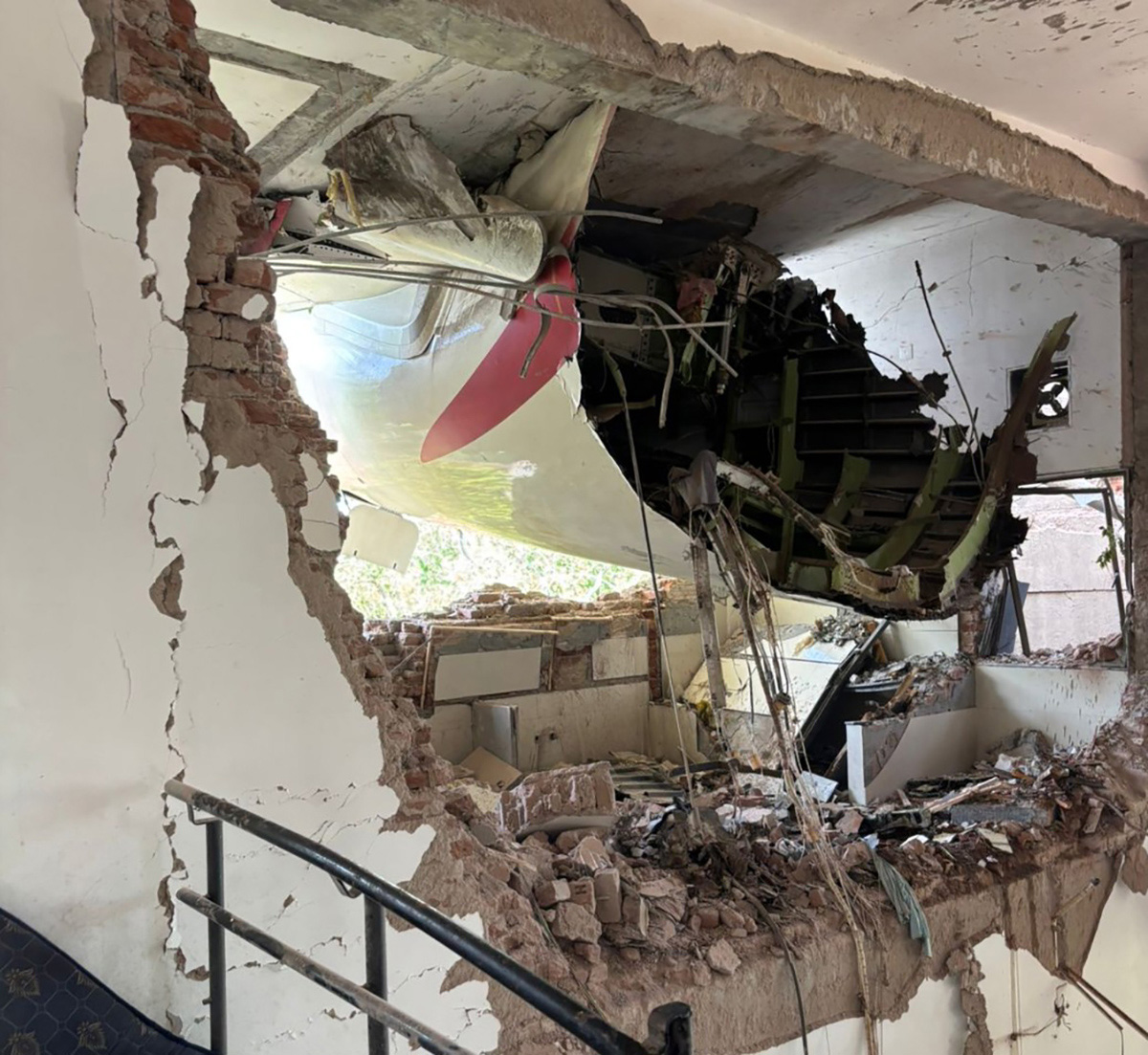
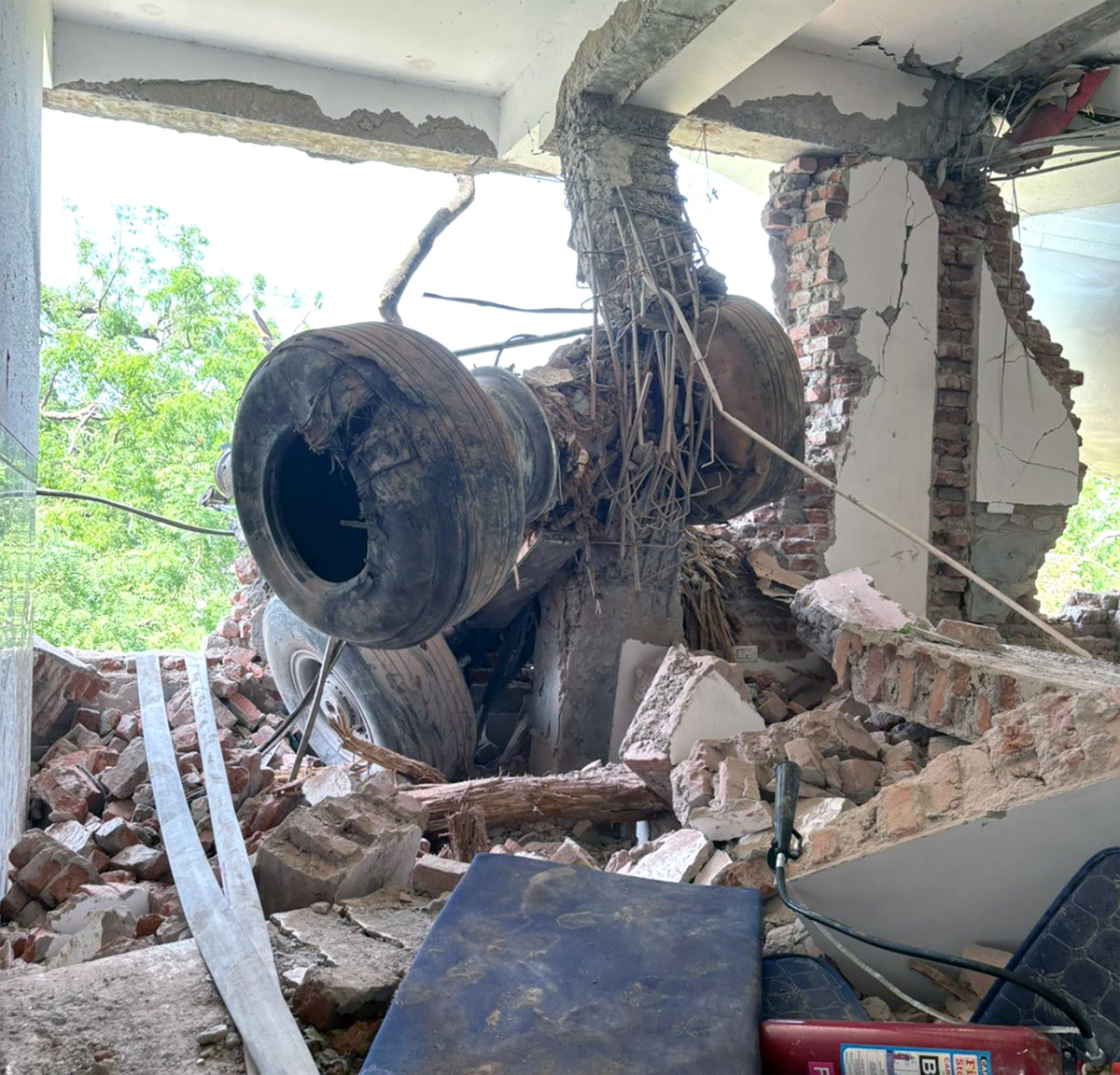
At 08:09:05 UTC, one of the pilots transmitted “MAYDAY” three times. The controller asked for the aircraft call sign but received no further response. The flight recording stopped at 08:09:11 UTC. The aircraft first struck trees and an incineration chimney inside an Army Medical Corps compound before impacting a B. J. Medical College hostel building located 0.9 nautical mile from the departure end of Runway 23, approximately 1.7 km. The aircraft fragmented as it continued through several buildings and vegetation. Five buildings sustained major structural and fire damage.
Wreckage examination found the flap handle firmly seated in the 5-degree position, a normal takeoff flap setting also confirmed by flight recorder data. The landing gear lever was found in the DOWN position, and both fuel control switches were found in RUN. The AAIB also noted that a 2018 FAA Special Airworthiness Information Bulletin had addressed the potential disengagement of the locking feature on similar fuel control switches fitted to several Boeing models. The bulletin was advisory and did not lead to a mandatory Airworthiness Directive. Air India had not carried out the suggested inspection on VT-ANB, and the reviewed maintenance records contained no reported fuel-control-switch defect on the aircraft since 2023. The preliminary report, however, did not establish any causal link between that bulletin and the accident.
At the preliminary-report stage, the AAIB stated that it had no recommended actions for Boeing 787-8 or GE GEnx-1B operators and manufacturers and that the investigation was continuing. On 12 February 2026, the AAIB reiterated that no final conclusions had been reached. In an interim statement issued on 12 June 2026, one year after the accident, investigators said analysis was still covering aircraft systems, flight recorder data, engine-related components, maintenance and operational records, as well as human and organisational factors. The final report is to be released only after completion of the investigative work and the international review and consultation required under ICAO Annex 13. No definitive cause of the accident can therefore be stated at this stage.
Flight AI171 was the first fatal accident and first hull loss involving a Boeing 787 since the type entered service in 2011.
This accident is the 3rd worst plane crash since year 2000 in terms of the number of combined onboard and ground fatalities. Watch here the list of the worst aircraft crashes since year 2000.
Accident location
The aircraft (Boeing 787-800)

Photos